



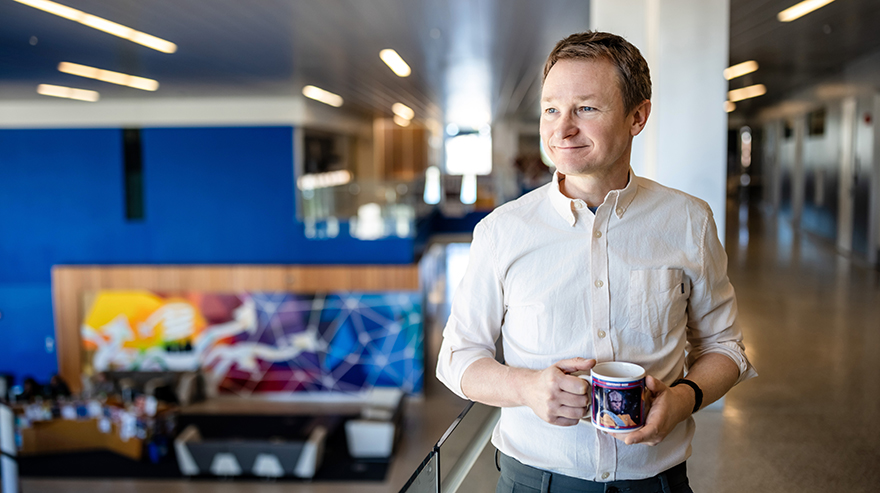
Gregor Mieder didn’t take a traditional path to college.
A few years after moving to the United States from Germany at age 20, Mieder enrolled at a community college, navigating an unfamiliar educational system in a foreign language. He relied on tutors, advisors and mentors to make sense of everything from coursework to career direction. That experience inspired the work he does today.
At Metropolitan State University of Denver, Mieder is helping ensure immigrant, undocumented, DACA and refugee students have the support and guidance needed to navigate the most common challenges and barriers to education.
“I learned early on that when people show you how to move through higher education, it can change the course of your life,” Mieder said. “A college degree can be transformative — it opens doors and gives people the tools to create something better for themselves and their families.”
Building systems of support
Today, Mieder leads the Immigrant Services Program, which provides academic and social support aimed at increasing enrollment, retention and graduation for students who are noncitizens. The program helps students with academic counseling, language and writing support, scholarship applications, financial aid forms, career and degree planning, and referrals to campus and community resources. It also serves as a resource for faculty and staff members working to better support those students.
For Mieder, the work is both deeply personal and practical.
Before joining MSU Denver, he taught English as a second language and worked with refugee, asylum-seeking and international populations for years. He said he continues to be inspired by immigrant students’ focus, resilience and sense of purpose.
“These students carry extraordinary determination,” Mieder said. “Again and again, I get to see people choosing education as a way to build stability and hope. It’s a privilege to walk alongside them.”
That path is rarely simple. Some students need help making sense of financial-aid paperwork or registration holds. Others are trying to understand how higher education works in the United States, whether previous coursework or credentials will transfer or what career options may be available to them. Mieder and his team meet students at each of those moments, helping reduce barriers that can otherwise keep higher education out of reach.
“We are very lucky to have Gregor at MSU Denver,” said Margarita Driscoll, education and outreach program manager at the Health Center at Auraria. “He works tirelessly to support his students day in and day out. No matter the challenge, he’s there — often serving as a critical source of support for students who may not have it outside their community.”
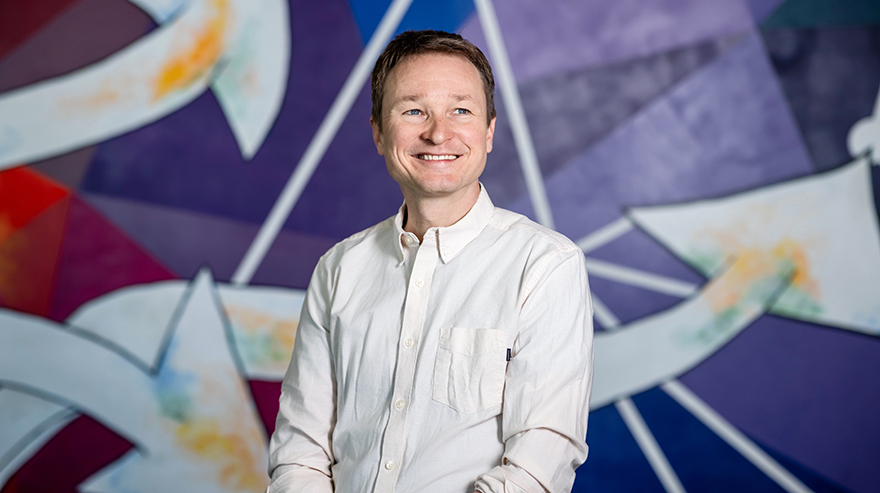
Gregor Mieder, director of the Immigrant Services Program at Metropolitan State University of Denver and an advocate for immigrant and undocumented student success through English-language education and higher education access. Photo by Alyson McClaran
Responding to a changing landscape
As immigration policies continue to shift at the federal level, that support has become even more important. In response to growing uncertainty for many students and families, Mieder has helped expand access to legal information sessions with pro bono immigration attorneys and advocates for scholarships, in-state tuition access and other supports that make college more accessible.
“We have to keep building systems that clearly and consistently tell students they belong here,” he said. “Talent is everywhere. Opportunity should be, too.”
For the past few years, Mieder has been a co-chair of the Undocumented Student Network, part of a broader effort to ensure that support for immigrant students is shared across the institution rather than housed in a single office.
The approach reflects one of his core beliefs: Creating an immigrant-friendly campus is a shared responsibility.
“If we want students to thrive, every part of the University has to be part of that work,” Mieder said. “Real inclusion happens when support is woven into the culture, not added as an afterthought.”
That mindset defines Mieder’s work — addressing immediate needs while building systems that last. For faculty and staff, he hopes the message is clear: Supporting immigrant students is a campuswide effort.
“At its best, higher education changes lives,” Mieder said. “My hope is that every student who comes here feels seen and supported to move toward the life they want, no matter where they come from.”