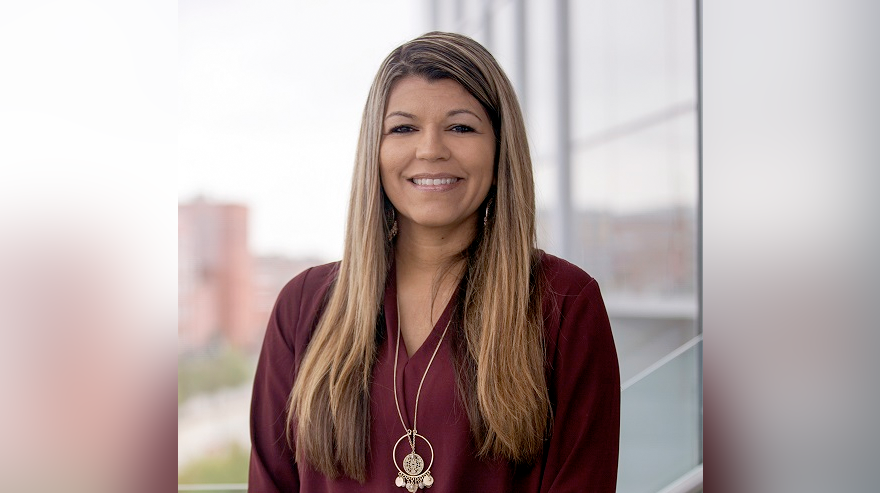




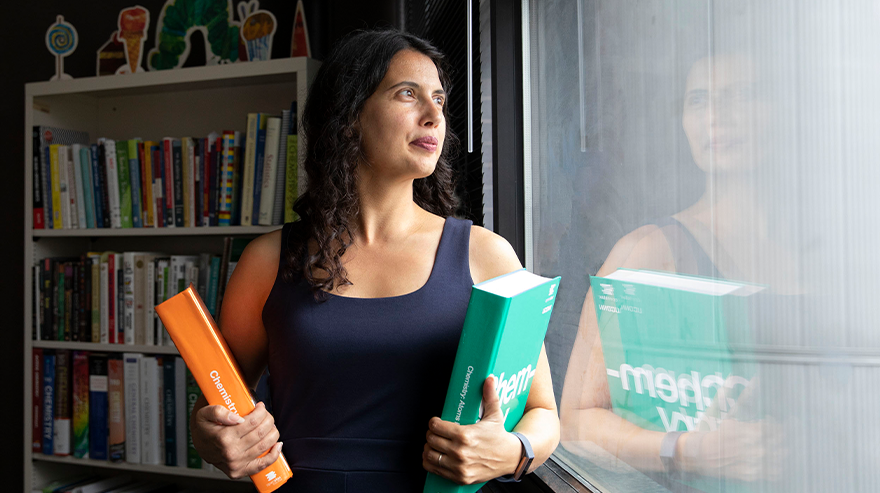
Metropolitan State University of Denver has selected Emily Ragan, Ph.D., as the First-Year Student Success Faculty Fellow. The donor-funded fellowship began this semester.
A major goal of the fellowship is to create a fall 2026 faculty learning community focused on data-driven strategies for first-year success. Meredith Jeffers, Ph.D., executive director of University Strategy, said many such efforts exist around campus in pockets, and the new role will help to connect them.
Ragan was selected following an application process and search led by a committee of Strategy, Academic Affairs, Enrollment Management and faculty representatives.
“The intent,” Jeffers said, “is to have one person look at the landscape, assess what’s working, assess what could be coordinated to amplify best practices, and especially to help faculty look at interventions in the classroom, things they’re already doing that seem to be working, and help share those with more faculty.”
Ragan, a professor of Chemistry and Biochemistry at MSU Denver since 2013, described the first phase of the fellowship as a “listening tour” to explore opportunities to improve first-year student success. She is meeting with colleagues to identify “little things faculty can do that will have a big impact” as well as “big hopes and dreams faculty have around supporting first-year students.”
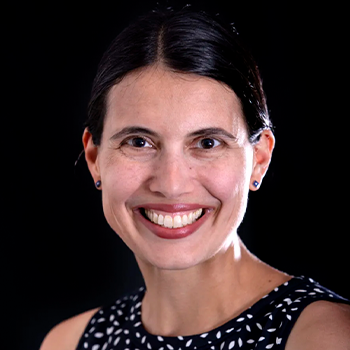
“One thing I hope to do is help make faculty more aware of existing student support resources and help us see this larger landscape of student recruitment, orientation and support,” Ragan said. “There’s a lot that’s going on that faculty don’t usually have to think about, and knowing what’s going on can help us support our students better.”
Ragan has already contributed significantly to the University’s efforts to support students’ financial well-being by helping to secure over $600,000 in Open Educational Resource funding from the state to provide faculty trainings about free resources and materials on campus.
Along with saving students nearly $1 million per semester in recent years, Ragan said the OER funds also reduce stress. A 2025 study showed increased success and retention rates for students benefiting from the grants, including more students who earned “A” grades and fewer who received D, F or W grades in courses.
The fellowship will last through 2026 and will likely be extended into spring 2027 and the following academic year, Jeffers said.
Ragan said she’s already learned much and looks forward to building on early ideas.
“I just feel really honored to have been selected,” she said, “and I’m excited to work with my colleagues and explore what’s possible for first-year student programming at MSU Denver.”