



Key takeaways
- Living Learning Communities will connect Summit House residents through shared academic interests, career goals and hobbies.
- Faculty and staff will play an important role in helping residents connect with campus programs, resources and opportunities.
- New room designs and housing rates offer a clearer picture of the University’s first residence hall.
When Summit House opens next fall, it will mark more than the arrival of student housing at Metropolitan State University of Denver. The University’s first residence hall represents a significant cultural shift toward a campus where more students live, learn and build connections beyond the classroom.
Living Learning Communities will be a big part of building those connections, bringing together residents with shared academic interests, career aspirations or hobbies.
Designed to foster friendships, a sense of belonging and stronger connections to the University, these tight-knit communities will help shape the student experience at Summit House and all over campus.
And while most employees won’t live or work in Summit House, a more connected campus community is important for everyone who plays a role in supporting student success, said David McNabb, J.D., executive director of Housing and Residence Life.
“Summit House is about more than student housing,” he said. “It’s about creating a new kind of campus experience for both students and employees. We’re bringing together modern living spaces and new opportunities for students to build lasting connections with the campus community, and faculty and staff will be an important part of bringing this new campus experience to life.”
Helping students find their community
Rather than simply assigning students to rooms, Living Learning Communities will create smaller social circles within Summit House, organized around common interests and experiences. Here are just a few examples:
- Aviation: Group visits to flight simulators, aviation events and other opportunities to explore the industry.
- Arts and culture: Painting nights, musical performances and creative workshops.
- Health and wellness: Group fitness activities, nutrition workshops and recreational outings.
Each community will have its own identity, with resident assistants organizing activities and helping students connect with academic departments, campus events and career opportunities through the Kemper Classroom to Career Hub.
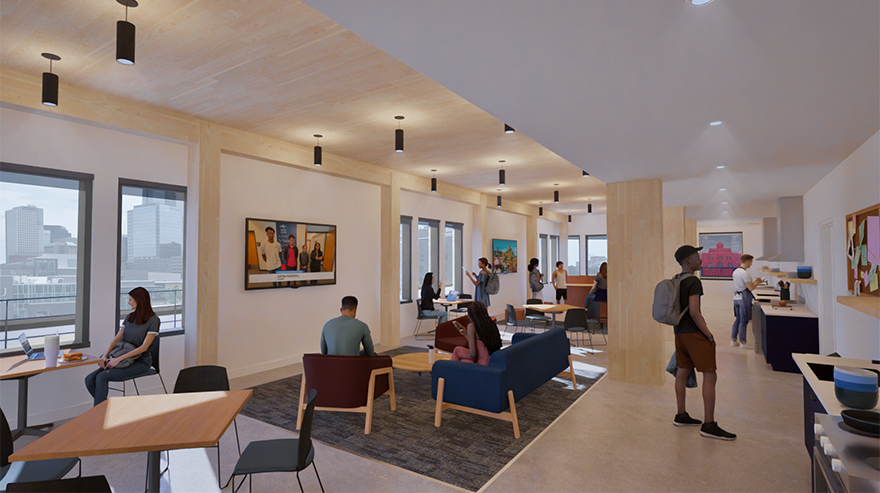
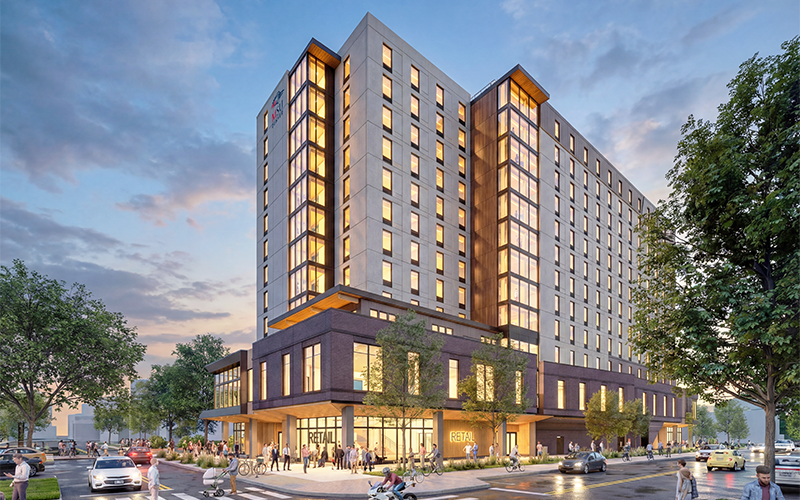
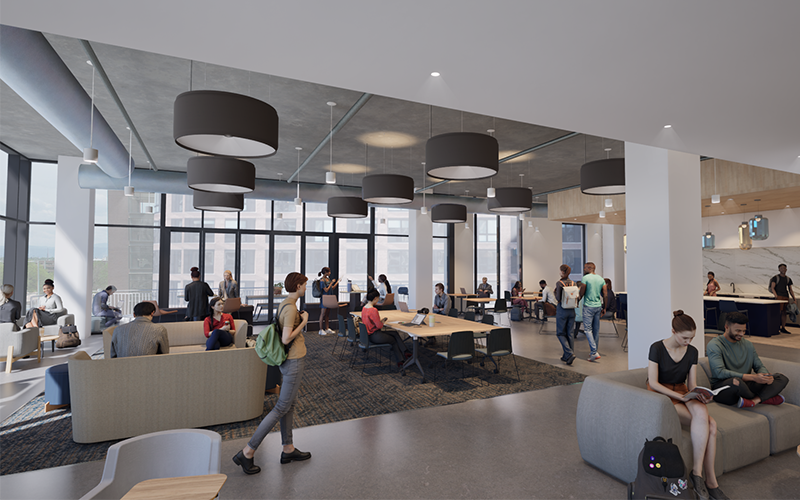
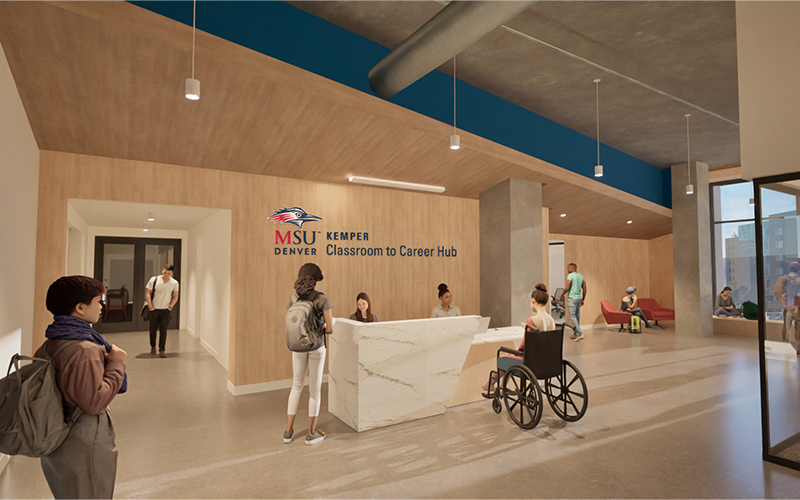
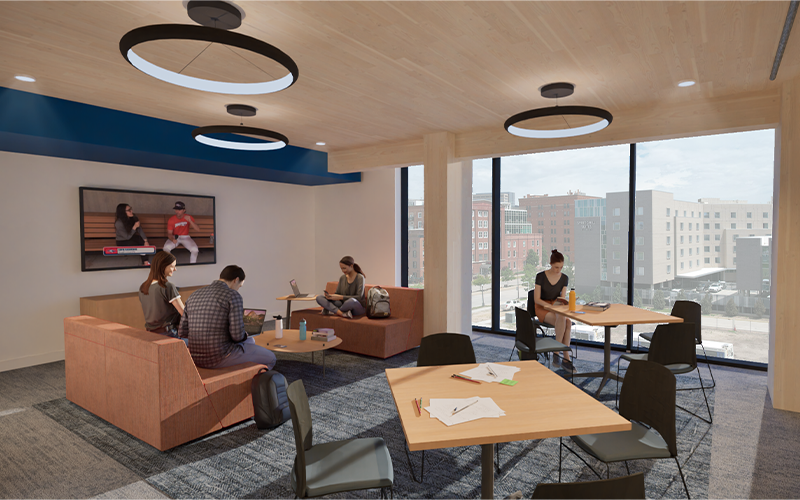
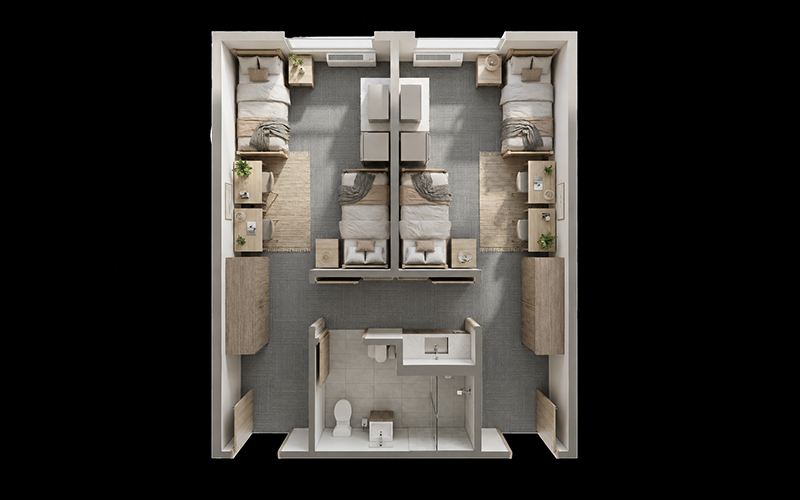
Conceptual renderings (subject to change) of Summit House offer a glimpse of MSU Denver's future multi-use student housing building. Renderings courtesy of SAR+ Architects
What LLCs mean for employees
For a University long defined by its commuter-campus experience, the introduction of residential life creates opportunities to strengthen the connections that help students feel they belong.
Faculty, academic departments and campus offices will be important partners in the Living Learning Communities program, helping to:
- Shape the student experience by developing activities and programs that bring residents together.
- Connect students with campus resources that support their academic and personal success.
- Expand academic and career opportunities through faculty engagement, mentoring and connections to the Kemper Classroom to Career Hub.
- Build a stronger campus culture by fostering relationships and a sense of belonging beyond the classroom.
- Support the University’s transformation into a more vibrant, connected campus.
New campus experience takes shape
With the opening less than a year away and housing applications set to open in December, University housing leaders have unveiled room designs and rates for the nearly 550-bed facility.
The building will feature soon-to-be announced dining and retail options on the first floor, the future Kemper Classroom to Career Hub on the second floor and residential suites on floors three through 12.
- About 85% of units will feature two bedrooms and one shared bathroom, accommodating four students, with two per bedroom.
- Another suite configuration, accounting for 40 beds, will feature four private bedrooms and one shared bathroom.
- Study rooms and lounges will be available on each floor, with community kitchens and laundry facilities on the third floor.
Housing rates range from $6,797 to $7,477 per semester, depending on suite configuration.
Students can explore floor plans and housing rates and join the Founding Resident Information list to receive Summit House updates, including information about Living Learning Communities and notification when housing applications open.