




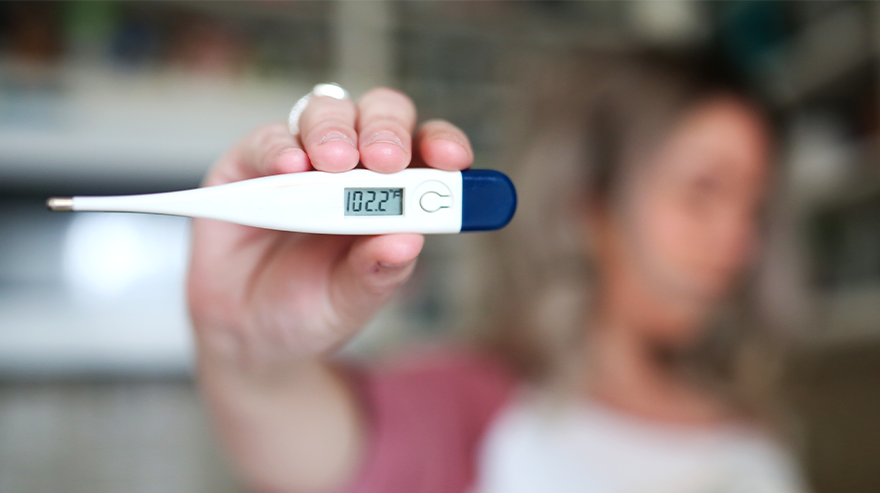
Colorado is experiencing a severe flu season, with the CDC reporting high levels of influenza in the state.
To help the Metropolitan State University of Denver community stay informed and healthy, the Early Bird spoke with Ruben Zorrilla, M.D., medical director at the Health Center at Auraria, to answer common questions about the flu and share tips for prevention and recovery.
Q: Is it too late to get a flu shot?
A: No — it is not too late to get vaccinated.
The CDC emphasizes that flu vaccination is still beneficial as long as influenza is circulating, and it is. Getting vaccinated in late January, February or even early spring can still reduce your risk of illness and, importantly, lower the chance of severe disease or hospitalization if you do get sick. The normal flu season ramps up in late November and December, then peaks after the holidays, but doesn’t taper off until March.
Q: How does the flu spread?
A: The flu spreads mainly through:
- Respiratory droplets from coughing, sneezing or talking.
- Close contact with infected individuals. Think about family, younger siblings or cousins, friends, and work.
- Touching contaminated surfaces followed by contact with the eyes, nose or mouth. Frequently touched items, including doorknobs, door handles and computer keyboards, can be common sources of germs.
Q: Why is flu so widespread right now?
A: This season has been especially intense due to several overlapping factors:
- A highly mutated influenza A strain (H3N2 subclade K) spreads easily and is associated with higher hospitalization rates.
- We still go to work, school and travel while sick rather than stay home. This spreads illnesses to others.
- Low vaccination rate. As of early January 2026, only about 28% of Coloradans had received a flu shot.
Q: Why has Colorado been one of the hardest-hit states this year?
A: Several factors have combined to increase flu impact in Colorado:
- The H3N2 subclade K strain is highly contagious and has caused more severe symptoms, leading to increased emergency department visits.
- Flu vaccination rates are slightly lower than last year, leaving more people vulnerable.
- Flu activity surged sharply after the holidays, quickly reaching very high levels statewide.
Q: How can I protect myself against the flu?
A: There are good defenses including:
- Get the flu vaccine — it remains the most effective protection.
- Wash hands frequently or use alcohol-based hand sanitizer.
- Wear a mask if you are in crowded indoor settings like the light rail or bus.
- Reduce spread by using separate towels at home, cleaning surfaces and improving ventilation.
Q: What should I do if I think I have the flu?
A: The general guidance includes:
- Stay home, rest, hydrate, and avoid spreading illness to others.
- Use over-the-counter medications for fever, aches and cough. These medications don’t cure you but will help you feel better.
- Seek urgent medical care immediately for:
- Difficulty breathing
- Chest pain
- Confusion
- Persistent or very high fever
- Worsening symptoms
Q: How can I tell if it’s flu, norovirus or COVID-19?
A: Testing is often needed to help differentiate among the illnesses. The Health Center at Auraria has tests, and at-home tests can clarify the diagnosis. Symptoms can overlap, but some patterns help:
Flu (A or B)
- Sudden high fever
- Body aches
- Cough
- Fatigue
- Sore throat
- The incubation period (the time from infection to showing signs or symptoms) is very short — usually 1–2 days.
Norovirus
- Sudden vomiting and diarrhea
- Stomach cramps
- Usually no respiratory symptoms
COVID-19
- Fever, cough, fatigue
- Congestion or sore throat
- Loss of taste or smell
- Symptoms can closely resemble flu
- The incubation period (the time from infection to showing signs or symptoms) is usually 5–7 days.
Q: Should I ask my doctor about Tamiflu (oseltamivir)?
A: Yes, it is best when started within 48 hours of symptoms. It can shorten illness and reduce complications. Consider asking for it if:
- You test positive for flu
- You have one or more risk factors (age 65+, pregnancy, asthma, heart disease, diabetes, immunocompromised)
- Symptoms are severe or worsening
Q: Is the Health Center at Auraria still offering flu shots?
A: No. We ran out Jan. 22. We still carry the high-dose flu vaccinations, which are designed to give a stronger immune protection to older adults with a naturally weakened immune system with age.
People can still be vaccinated through their primary care provider, local pharmacy and urgent care clinic. Please call ahead to confirm supply.